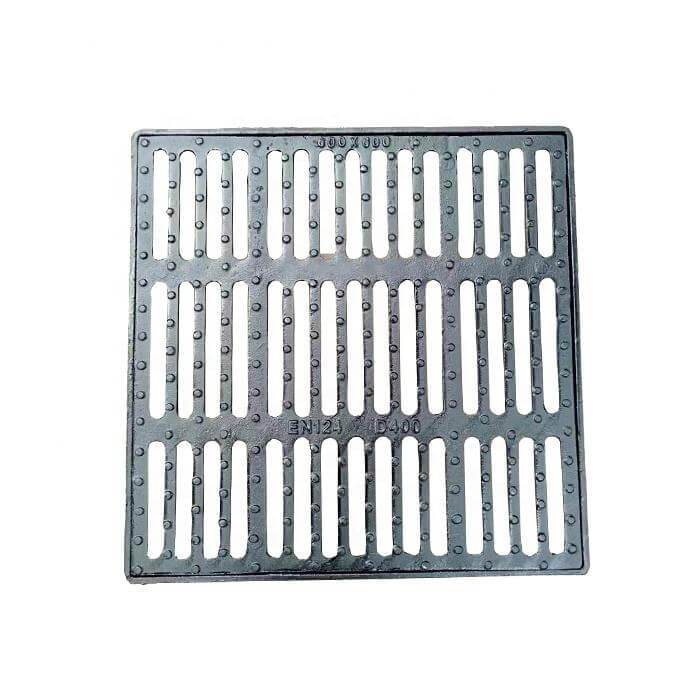
 GULLY GRATING
How to Choose a Gully Grating for Road Drainage
To choose a road gully grating for a drainage project, buyers should check the installation area, expected traffic load, load class, clear opening, frame size, material, drainage capacity, and technical drawings before confirming an order.
A gully grating is not selected by opening size alone. The final product also depends on frame dimensions, frame depth, bearing area, load requirement, water intake design, maintenance access, and real site conditions.
This guide explains how to choose a gully grating for road drainage, municipal drainage, and stormwater projects. It is written for contractors, engineers, and procurement teams who need a practical selection process before sending an RFQ.
Quick answer: Start with the installation area, then confirm the load class, clear opening, frame outer size, frame depth, material, drainage capacity, and drawings. For road areas with regular vehicle traffic, a D400 gully grating may be required depending on the project standard and technical drawings.
Quick Selection Checklist for Road Gully Gratings
Use this checklist before comparing prices or sending a quotation request:
- Check the installation area.
- Confirm the expected traffic load.
- Choose the required load class.
- Verify the clear opening and frame outer size.
- Review frame depth and bearing area.
- Choose a suitable material for outdoor road drainage.
- Consider water intake and maintenance access.
- Prepare technical drawings before quotation.
Why the Right Road Gully Grating Matters
A road drainage grating is part of the surface water collection system. It allows rainwater to enter the gully, inlet, or drainage channel while supporting traffic, pedestrians, or maintenance work above it.
If the product is too light, poorly fitted, or difficult to clean, problems may appear after installation. The grating may move, create noise, bend under traffic, collect debris, or fail to drain water efficiently.
Road drainage products work in real site conditions. Vehicles may pass over the component every day. Rainwater may carry leaves, sand, stones, and debris. Maintenance teams may need to remove and clean the unit regularly. For this reason, selection should consider drainage performance, load capacity, installation details, and maintenance access together.
Start with the Installation Area
The first step is to check where the gully grating will be installed. A unit used in a pedestrian walkway does not need the same strength as one installed on a road with regular vehicle traffic.
Common application areas include roadside drainage, parking areas, pedestrian zones, municipal roads, industrial yards, commercial areas, and stormwater collection points. Each location has different load, drainage, and maintenance requirements.
Heavy traffic areas usually need a stronger grating and frame system. For light-duty areas, a lower load class may be enough. If you are comparing general product options, review the gully gratings for road drainage projects category before selecting a specific model.
Match the Load Class to Traffic Conditions
Load class is one of the most important points in product selection. It helps engineers, contractors, and procurement teams decide whether the component is suitable for pedestrian areas, curbside drainage, parking areas, or vehicle traffic zones.
Many projects use EN124 load classes as a reference. B125 may be suitable for pedestrian or light-duty areas. C250 is often used for curbside drainage and light vehicle areas. For roads, streets, parking areas, and other zones with regular vehicle traffic, a higher load class may be required.
| Application Area | Common Load Class Consideration | Selection Notes |
|---|---|---|
| Pedestrian walkways and light-duty areas | B125 or project-specified class | Suitable where vehicle traffic is limited or not expected. |
| Curbside drainage and light vehicle areas | C250 or project-specified class | Often considered for roadside or curb drainage applications. |
| Roads, streets, and parking areas | D400 or project-specified class | Commonly used where regular vehicle traffic or higher load capacity is required. |
| Industrial yards or special project areas | Based on project drawings | Always confirm load requirements, vehicle type, and installation environment. |
The load class should not be reduced only to lower the purchase cost. If a light-duty unit is installed in a road area, it may bend, move, crack, or become unsafe over time. Always review the project drawings, local requirements, and expected traffic conditions before confirming the order.
Check Clear Opening and Frame Size
Clear opening and frame size are often confused. The clear opening is the inside drainage opening. The frame size is the full outer size of the gully grating and frame set. These two dimensions are different, and both are important.
Before production, check the clear opening, frame outer size, frame depth, and bearing area. The frame must fit the installation pit or drainage channel. If the frame is too large or too small, the site may need extra cutting, filling, or adjustments. This can increase installation time and cost.
For more background on gully grating dimensions and types for road drainage, you can review the dedicated dimensions guide. For this selection process, the key point is simple: do not approve production by opening size alone. Always check the complete drawing.
Choose a Suitable Material for Road Drainage
Material is another practical factor. Road drainage projects often use a ductile iron grating because ductile iron is strong, impact resistant, and durable. These properties are important when the product is installed in areas with regular vehicle movement.
Surface treatment should also be checked. Road drainage components are exposed to rainwater, mud, road dirt, and changing weather. A suitable coating can help improve corrosion resistance and service life.
When comparing materials, project teams should review the material grade, load requirement, coating, and installation environment. This helps avoid using a light-duty drainage cover where a stronger road drainage inlet component is needed.
You can also review drainage covers for stormwater and road drainage systems to understand how covers, gratings, and frames work together in a drainage layout.
Consider Drainage Capacity and Maintenance
A stormwater drainage grating must allow water to enter the drainage system efficiently. The opening pattern affects how quickly surface water enters the inlet or drainage channel. In road areas, poor drainage can lead to standing water, traffic inconvenience, and faster road surface damage.
Maintenance should also be considered. Leaves, sand, stones, and other debris may collect around the road drainage inlet. If the product is difficult to remove or clean, the drainage system may become blocked over time.
For projects with heavy rainfall, frequent debris, or regular maintenance requirements, buyers should check the water intake design, grating opening pattern, frame structure, and whether the unit can be removed safely for cleaning.
If your project has frequent leaves, sand, litter or blocked inlet problems, review our road drainage grate clogging guide before confirming the opening pattern, cleaning access and downstream drainage route.
Prepare Drawings and RFQ Details
For international orders, drawings are especially important. A product name may look correct, but the frame structure, size, and installation details can vary by project.
Before requesting a quotation, prepare the clear opening, frame outer size, and frame depth. Include the load class, material grade, surface coating, and quantity. Provide the project location and technical drawing if available.
| RFQ Information | Why It Matters |
|---|---|
| Load class | Helps confirm whether the grating is suitable for pedestrian, curbside, or road traffic areas. |
| Clear opening | Confirms the actual drainage opening size. |
| Frame outer size and frame depth | Helps check whether the frame fits the installation pit or drainage channel. |
| Material and coating | Helps match durability, corrosion resistance, and outdoor service requirements. |
| Quantity and project location | Helps estimate production, packaging, and export delivery requirements. |
| Technical drawings | Reduces mistakes during quotation, production, inspection, and installation. |
If an installation pit or drainage channel already exists, check the drawing even more carefully. Clear RFQ details reduce mistakes during quotation, production, inspection, and shipment. They also make communication faster between the buyer, contractor, and supplier.
Common Mistakes to Avoid Before Ordering
One common mistake is choosing a grating only by the visible opening size. Another is ignoring the required load class. Some projects also fail to check the frame dimensions, which can cause installation problems later.
Other mistakes include using light-duty gratings in road areas, forgetting maintenance access, or ordering without a confirmed drawing. These issues can usually be avoided if the full specification is reviewed before purchase.
Before sending an inquiry, prepare answers to these questions:
- Where will the gully grating be installed?
- What vehicles or loads will pass over it?
- Is a D400 load class required?
- What are the clear opening and frame outer size?
- What is the required frame depth?
- Is regular cleaning or maintenance needed?
- Are technical drawings available?
When to Choose D400 Gully Grating for Road Drainage
D400 is commonly considered for road drainage areas where regular vehicle traffic or higher load requirements are expected. For these applications, buyers should not only check the load class, but also confirm the grating and frame structure, slot pattern, frame dimensions, coating, and installation conditions.
If your project requires a product for roads, parking areas, municipal drainage, or stormwater collection points, you can review Hongke’s D400 ductile iron gully grating for road drainage for product details, customization options, and quotation requirements.
View D400 Gully Grating for Road Drainage
Request a Gully Grating Quotation
To get a suitable quotation, please share your required load class, clear opening, frame outer size, frame depth, quantity, project location, and technical drawings. Hongke can support ductile iron gully gratings, gully grating and frame sets, and customized drainage grating solutions for road drainage and municipal stormwater projects.
If you are not sure which load class or frame size is suitable, our team can review your drawings and application area before recommending a suitable option.
Send Your Gully Grating Requirements
FAQ About Road Gully Gratings
What is a road gully grating used for?
A road gully grating is used to collect surface water from roads, parking areas, and drainage points. It allows water to enter the drainage system while supporting traffic or pedestrian loads above it.
How do I choose the right gully grating for a road project?
Start with the installation area and expected traffic load. Then check the load class, clear opening, frame size, material, maintenance needs, and technical drawing before requesting a quotation.
What is the difference between clear opening and frame size?
The clear opening is the inside drainage opening. Frame size means the full outer size of the grating and frame. Check both dimensions before ordering.
When should buyers choose a D400 gully grating?
Roads, streets, parking areas, and other areas with regular vehicle traffic may require a D400 gully grating, depending on the project standard, expected load, and technical drawings.
Why are ductile iron gratings used for road drainage?
Ductile iron gratings are strong, durable, and impact resistant. These qualities make them suitable for road drainage projects where the product must handle traffic and outdoor conditions.
What information should buyers provide before ordering?
Provide the load class, clear opening, frame outer size, frame depth, material requirement, coating, quantity, and technical drawing. These details help reduce production and installation mistakes.
Conclusion
Choosing a road gully grating should not be based on opening size alone. Buyers should consider the installation area, traffic conditions, load class, clear opening, frame size, material, drainage capacity, and maintenance needs.
Before requesting a quotation, gather the required information. Confirm the load class, measure the clear opening, note the frame outer size and frame depth, decide the quantity, and prepare the technical drawings. These details help the supplier recommend the right gully grating for the road drainage project and reduce installation problems later.
How should buyers choose a gully grating for road drainage?
Confirm the EN124 load class, clear opening, frame dimensions, drainage capacity, traffic conditions and installation method before selecting a gully grating.
When is a D400 gully grating appropriate?
D400 is commonly specified for carriageways and other areas exposed to regular road traffic. The complete installation and supporting structure must also suit the project loading conditions.