Gully Gratings
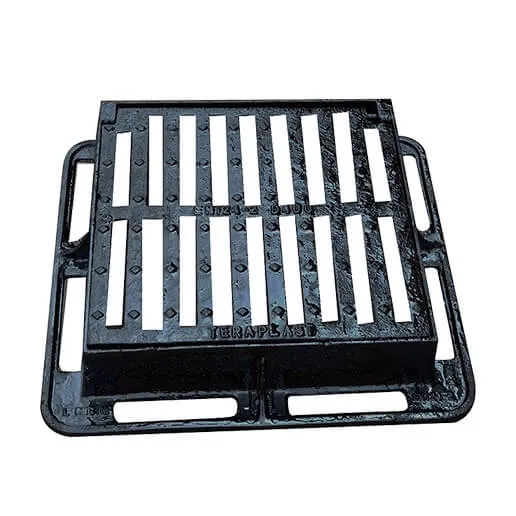
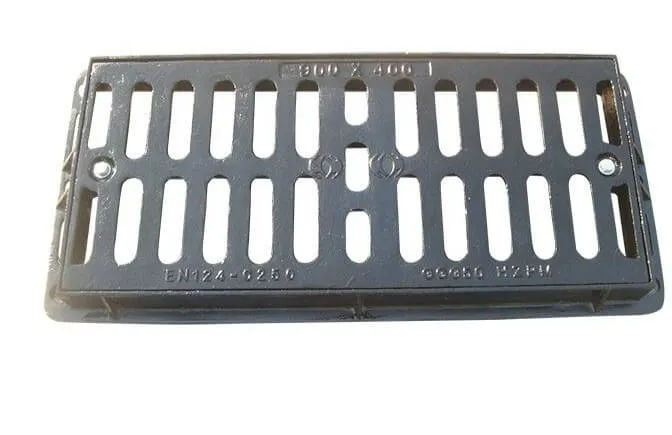
Gully gratings are essential drainage components for collecting surface water from roads, parking areas, sidewalks and municipal drainage systems. Hongke supplies ductile iron gully gratings for stable frame installation, stormwater collection and long-term road drainage performance.
Before ordering, buyers should confirm load class, clear opening size, frame outer dimensions, frame depth, material grade and surface treatment. For heavy-duty road applications, you can view our D400 gully grating product page for frame, material and project application details.
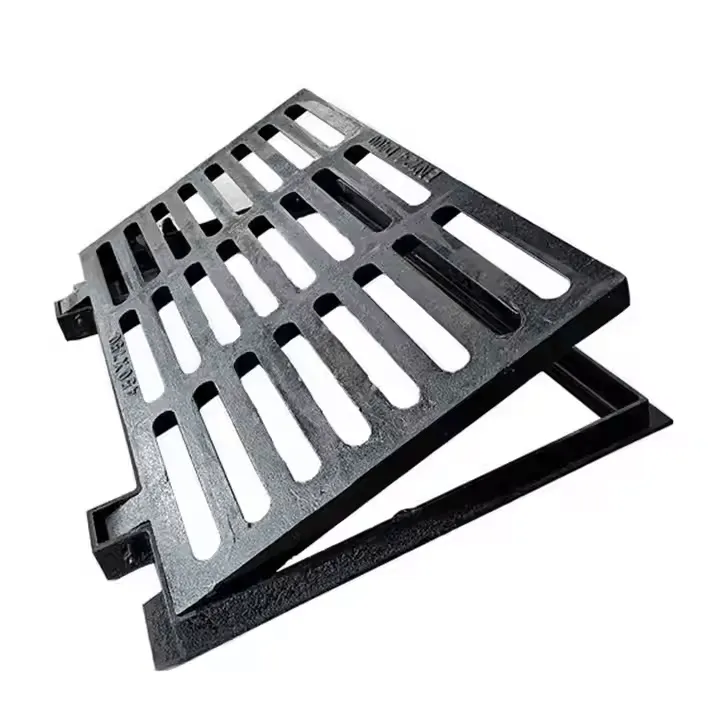
For lighter traffic areas, buyers may also need to compare B125 or C250 options based on project requirements. Different project conditions may require flat bar, slotted, hinged or locking gully grating designs.
If you need help comparing sizes, frame requirements and installation details, read our guide on gully grating dimensions and types. For stormwater collection projects, you can also review our article about how to choose gully gratings for stormwater drainage projects.
Hongke can support custom sizes, project drawings, material confirmation, production inspection and export packaging for international drainage product orders. You can also explore related drainage covers for road drainage and municipal infrastructure applications.
Information Needed for a Gully Grating Quote
For a gully grating quote, buyers should provide the required load class, clear opening size, frame outer dimensions, frame depth, quantity, project drawings, site application, traffic load condition, and surface treatment requirements. These details help Hongke understand the project conditions and recommend suitable ductile iron gully gratings for road drainage, parking lot, municipal, and stormwater drainage projects.
If the drainage area is exposed to leaves, sticks, sand, silt, sediment, or other road debris, buyers should also describe the expected debris level, cleaning frequency, and maintenance access requirements. This information helps determine a suitable opening pattern, frame type, lifting access, removable design, and fixing method for long-term drainage performance.
FAQ
Can a road drainage grating become blocked by leaves and debris?
Yes. Leaves, sticks, sand, silt, sediment, and other road debris can collect around a drainage grating after heavy rain, street runoff, or regular site use. When debris builds up around the grating openings, it may reduce water intake and affect stormwater drainage performance.
The opening pattern can influence both drainage capacity and debris buildup risk. A suitable gully grating should balance water intake, load class, site safety, and long-term maintenance access. Even with a well-designed drainage grating, periodic cleaning, inspection, and debris removal may still be required.
Before quotation or production, buyers should share the site application, traffic condition, expected debris level, and maintenance requirements. These details help the supplier recommend a suitable ductile iron gully grating and frame design for road, parking lot, municipal, or stormwater drainage projects.
How should buyers choose drainage gratings for parking lots?
For parking lot drainage, buyers should consider both water intake and traffic load. The grating must meet the required load class for cars and service vehicles, while the opening pattern should match the expected runoff and debris conditions.
Leaves, sticks, sand, silt, sediment, and other debris carried by surface runoff may collect around the grating openings. Over time, this can reduce inlet efficiency, slow down drainage, and cause standing water or localized flooding after rain.
Buyers should not choose a parking lot drainage grating only for debris reduction. Load class, frame stability, opening pattern, maintenance access, and cleaning frequency should be considered together. Before quotation, buyers should share the traffic condition, expected debris level, cleaning frequency, and maintenance access requirements so a suitable ductile iron grating and frame design can be recommended.
Does the fixing method affect drainage grating maintenance?
Yes. The fixing method can affect how easily a drainage grating can be lifted, inspected, cleaned, and secured after installation. It can also influence traffic stability, anti-rattling performance, and cleaning or inspection efficiency.
Depending on the project, buyers may need a removable, bolted, hinged, locked, or anti-theft grating design. For road drainage, parking lot, municipal, or stormwater drainage projects, the fixing method should match the traffic load, cleaning frequency, site safety requirements, and anti-theft or locking needs.
Before quotation or production, buyers should confirm whether the grating requires easy lifting, regular cleaning, removable design, anti-rattling performance, or anti-theft protection. These details help the supplier recommend a suitable ductile iron gully grating, frame, and fixing solution for stable installation and long-term drainage performance.