 GULLY GRATING
How to Choose Gully Gratings for Stormwater Drainage Projects: 7 Key Factors
Choosing the right gully grating for stormwater drainage projects is important for road safety, efficient water collection, and long-term infrastructure performance. A suitable grating should match the installation area, expected traffic load, drainage capacity, material requirements, and project standards.
For municipal roads, parking areas, sidewalks, commercial streets, and industrial sites, buyers need to review more than just size. Material, load class, slot pattern, frame type, surface treatment, and installation conditions all affect how well a road drainage grating performs over time. This guide explains how to choose gully gratings for practical drainage and stormwater applications.
What Is a Gully Grating?
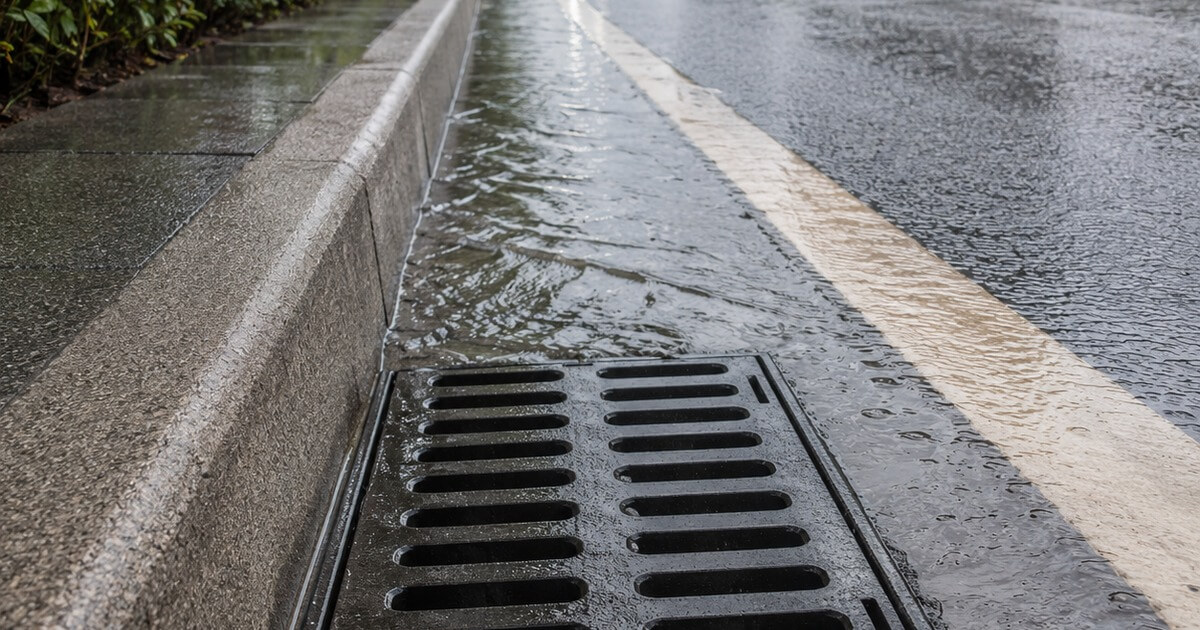
A gully grating is a drainage cover installed over a drainage channel, catch basin, or stormwater collection point. It allows rainwater and surface runoff to enter the drainage system while helping protect pedestrians, vehicles, and surrounding pavement.
Gully gratings are commonly used in road drainage systems, parking lots, sidewalks, curbside drainage areas, municipal drainage projects, and stormwater infrastructure. Depending on the application, buyers may choose cast iron, ductile iron, or customized drainage grating designs.
Where Are Gully Gratings Commonly Used?
A gully grating for stormwater drainage can be used in many outdoor infrastructure environments, including:
- Roadside drainage systems
- Parking areas and service roads
- Sidewalk and pedestrian drainage
- Municipal stormwater collection points
- Commercial streets and public plazas
- Industrial drainage channels
- Urban infrastructure renovation projects
For areas exposed to vehicle traffic, load class and frame design are especially important. For pedestrian zones or public spaces, drainage efficiency, slot pattern, and anti-slip surface design may also be key considerations.
How to Choose Gully Gratings for Stormwater Drainage Projects
1. Material
Material is one of the first factors to consider. A ductile iron gully grating is often selected for projects that require higher strength, better impact resistance, and reliable long-term performance. Ductile iron is commonly used for road drainage, parking areas, and municipal drainage applications where durability is important.
Cast iron may also be suitable for some drainage applications, especially in lighter-duty environments. However, ductile iron is often preferred for heavier-duty or long-term infrastructure projects.
2. Load Class
The load class should match the actual installation environment. Sidewalks, pedestrian areas, parking areas, service roads, and municipal streets may require different load ratings. For a road drainage grating used in areas with vehicle traffic, buyers should confirm the expected traffic condition before choosing the product. For projects that follow European load class requirements, buyers may also review the EN124 manhole cover load classes for general background information.
Using a lower load class in a high-traffic area may lead to early damage, safety risks, and increased maintenance costs.
3. Slot Pattern and Drainage Capacity
The slot pattern affects how quickly rainwater and surface runoff enter the drainage system. For a stormwater drainage grating, the slot opening should provide sufficient water flow while helping reduce the risk of debris blockage.
Buyers should consider rainfall intensity, drainage channel size, installation slope, and maintenance frequency when selecting the slot pattern.
4. Frame Type
Some gully gratings are supplied with frames, while others are installed directly into prepared channels or basins. A suitable frame can improve installation stability, fitting accuracy, and long-term performance.
For municipal drainage grating used in roads, parking areas, or commercial streets, a proper frame design can help reduce movement, noise, and uneven seating during use.
5. Surface Treatment
Surface treatment helps protect the grating and improve its appearance. Common options include black bitumen coating, painting, epoxy coating, or project-specific finishes. For outdoor drainage projects, the coating should be selected based on weather exposure, corrosion risk, and maintenance conditions.
Ductile Iron Gully Gratings vs. Cast Iron Gully Gratings
Both cast iron and ductile iron can be used for drainage products, but their performance is different. A ductile iron gully grating generally offers better toughness, stronger impact resistance, and improved performance under repeated traffic loads.
This makes ductile iron a strong option for stormwater drainage projects in roads, parking areas, and municipal infrastructure. Cast iron may still be suitable for lighter-duty applications, but the final choice should be based on the installation area, expected load, and project requirements.
Related Guide: Gully Grating Dimensions and Types
When selecting gully gratings for stormwater drainage projects, buyers should not only compare load class and drainage capacity. Clear opening size, frame outer dimensions, frame depth and grating type also affect installation and long-term performance.
For a more detailed size reference, you can read our guide: Gully Grating Types and Dimensions for Road Drainage Projects.
What Information Should Buyers Provide Before Requesting a Quote?
To choose the right gully grating and receive an accurate quotation, buyers should provide clear project information, including:
- Required size or drawing
- Installation area and application
- Expected load class
- Material requirement
- Frame requirement
- Slot pattern or drainage capacity needs
- Surface treatment requirement
- Order quantity and destination port
Clear project details help suppliers recommend suitable products, reduce communication time, and avoid unnecessary design or selection issues.
Related Guide: Gully Grating Dimensions and Types
When selecting gully gratings for stormwater drainage projects, buyers should not only compare load class and drainage capacity. Clear opening size, frame outer dimensions, frame depth and grating type also affect installation and long-term performance.
For a more detailed size reference, you can read our guide: Gully Grating Types and Dimensions for Road Drainage Projects.
FAQ
What is the best material for gully gratings?
Ductile iron is often preferred for road drainage, parking areas, and municipal stormwater drainage projects because it offers good strength, toughness, and long-term durability.
Can gully gratings be customized?
Yes. Size, slot pattern, frame type, material, coating, logo, and packaging can be customized according to drawings, samples, or project requirements.
Where are stormwater drainage gratings used?
Stormwater drainage gratings are commonly used in roads, parking areas, sidewalks, commercial streets, catch basins, and municipal drainage systems.
For inspection, packaging, and export order support, you can also visit our Quality Control page.
Request a Quote
If you need a ductile iron gully grating or customized municipal drainage grating for a stormwater drainage project, Hongke can help review your drawing, size, load class, frame type, surface treatment, quantity, and destination port.
Explore our Gully Gratings, Drainage Covers, and Ductile Iron Manhole Covers, or contact Hongke to discuss your project requirements.
What factors matter when choosing a gully grating for stormwater drainage?
Check the load class, clear opening, inlet capacity, frame dimensions, anti-slip design, debris conditions and maintenance access.
Why must frame dimensions be confirmed before ordering?
The frame must fit the chamber and installation pit. Incorrect outer size or depth can cause poor seating, movement and installation delays.