 GULLY GRATING
How to Prevent Road Drainage Grates from Clogging with Leaves and Debris
Why Road Drainage Grates Get Clogged by Leaves and Debris
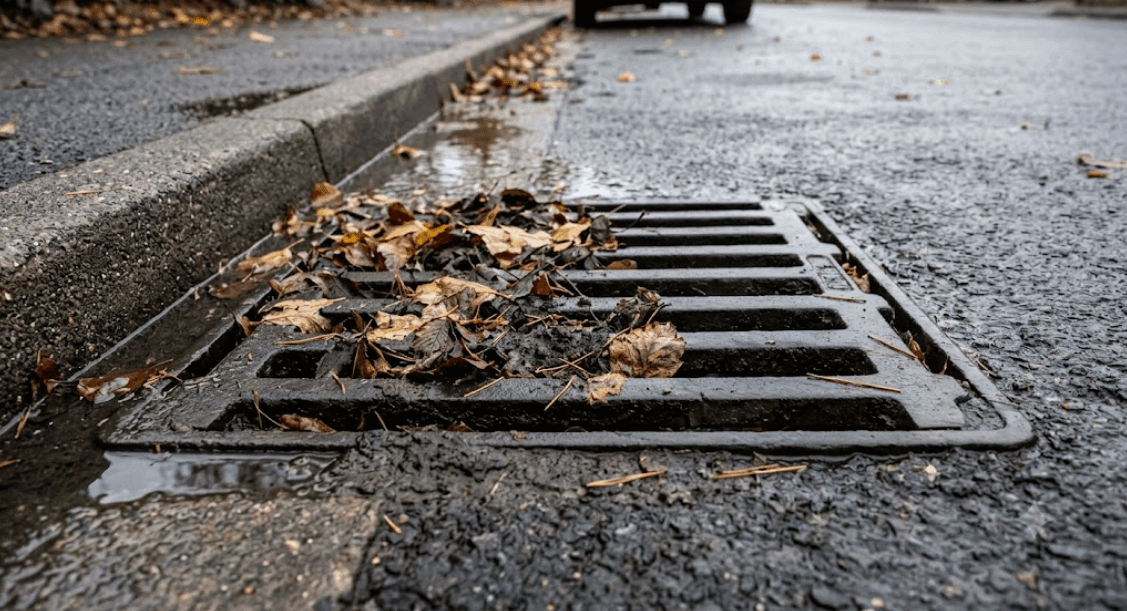
Road drainage grate clogging often happens when leaves, dirt, sand, pine needles, litter, and other debris block the grate openings and reduce water intake. Road drainage grates are designed to collect surface water and guide it into stormwater drainage systems, but real road, parking lot, and municipal drainage projects often face repeated blockage problems after rain.
Once that happens, water may start pooling around the inlet, flowing across the road, flooding parking areas, or spilling into nearby low points. The grate is often the first part people blame, but the problem is not always caused by the grate alone.
Clogging is usually the result of several factors working together: surface debris, site slope, downstream drainage capacity, frame fit, slot design, and how easy the grate is to clean. In other words, it is often a drainage system issue, not just a product issue.
For contractors, municipal buyers, distributors, and drainage project teams, strength is only one part of the selection. It is also important to know whether the grate can keep taking in water under the expected debris conditions, and whether maintenance crews can clean it safely over time.
Quick answer: To reduce clogging, buyers should review the debris source, slot opening design, drainage capacity, frame structure, removable or hinged access, cleaning frequency, site grading, and downstream drainage condition before ordering a gully grating or drainage cover.
Common Materials That Block Road Drainage Grates
A road drainage grate is often exposed to several types of debris at once. What collects around the grate depends on the site: nearby trees, road slope, traffic, rainfall, construction activity, and how often the area is cleaned.
- Leaves: Common along roadsides, residential entrances, parks, campuses, and tree-lined streets.
- Dirt and silt: Often carried by runoff, especially on construction sites, sloped roads, and unfinished pavements.
- Pine needles and small branches: These can stretch across the openings and slow down water intake.
- Plastic bags and litter: Lightweight waste can cover a large part of the grate during rain.
- Sand and gravel: These may settle inside the channel or around the frame, making cleaning harder later.
The right grating design depends on the debris found at the site. A grate installed near trees may need a different slot pattern and cleaning plan than one used in an industrial yard, parking lot, or municipal drainage channel.
Clogged Grate or Blocked Drainage System?
When a storm drain grate is clogged, the visible problem is usually water standing on the surface. But the real cause may be above the grate, inside the channel, or farther downstream in the pipe system. Before replacing a drainage grate, it is worth checking where the blockage actually starts.
| Observed Problem | Possible Cause | What to Check |
|---|---|---|
| Water ponds on top of the grate | Leaves or surface debris blocking the slot openings | Clear the surface and see whether water enters after cleaning |
| Water still drains slowly after the grate is cleared | Blocked channel, pipe, or underground drainage section | Inspect downstream capacity and sediment buildup |
| Water flows around the drainage point | Poor pavement slope or wrong inlet location | Check site grading, runoff direction, and inlet position |
| The grate is difficult to remove for cleaning | Heavy product weight, fixed installation, or no lifting access | Confirm removable, hinged, bolted, or lockable design requirements |
This matters because a stronger grate will not automatically fix a blocked drainage system. Larger openings may help water enter faster, but they may also let bigger debris into the channel if the downstream system is not designed for it.
Design Factors That Help Reduce Drainage Grate Clogging
1. Slot Opening Design
The slot pattern affects how water and debris move across the grate. Wider openings can improve water intake, but they may also allow larger debris to enter the drainage channel. Narrower openings may block some debris, but leaves, fine silt, or plastic waste can cover them more easily.
For road drainage projects, the slot pattern should not be chosen by appearance alone. Buyers should match the grating design with rainfall intensity, traffic conditions, debris type, pedestrian safety requirements, and the cleaning plan.
2. Frame Structure and Seating Stability
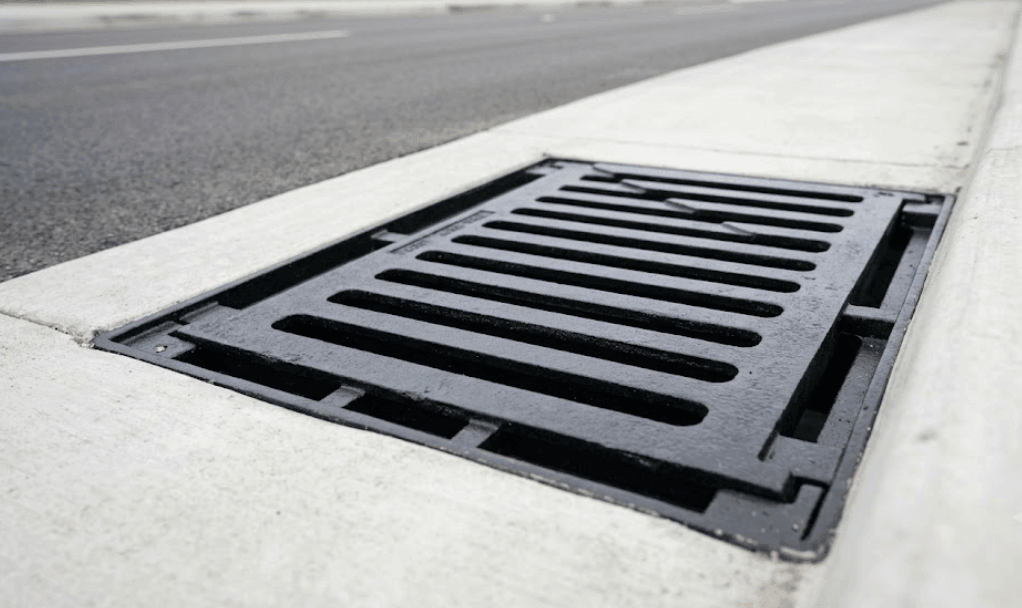
A stable frame helps the grate sit properly in the opening. If the frame does not fit well, or if the grate rocks under traffic, debris can collect along the edges and make cleaning more difficult over time.
For roads and parking areas, buyers should confirm the frame outer size, clear opening, frame depth, installation method, and whether the grating and frame should be supplied as a matched set.
3. Removable, Hinged, or Lockable Design
Clogging problems often become worse when the grate is hard to open or clean. Heavy-duty ductile iron gratings may need proper lifting tools, clear removal procedures, and safe access for maintenance workers.
If the site needs regular cleaning, buyers should discuss removable, hinged, bolted, or lockable structures with the supplier before production. This is especially useful for roadside drainage, parking lots, commercial areas, and municipal stormwater systems.
4. Drainage Capacity and Downstream System Design
A drainage grate is only one part of the system. Even if the grate has enough open area, water may still overflow if the downstream channel, pipe, or pit is too small, clogged, or poorly maintained.
Before ordering, project teams should confirm the expected water flow, channel size, pipe capacity, installation slope, and cleaning access. This helps avoid choosing a grate that looks suitable on paper but does not solve the real drainage problem on site.
Why Temporary Filters and Mesh Covers Must Be Used Carefully
Some users try to stop clogging by placing mesh, mats, filters, or fabric over a drainage grate. These methods can catch some leaves or debris, but they can also reduce water intake, shift during heavy rain, or create trip hazards in pedestrian areas.
For municipal, road, and commercial drainage projects, temporary covers should not replace proper drainage design. If anti-debris protection is needed, it should be reviewed together with water intake capacity, pedestrian safety, maintenance access, and local project requirements.
For load class selection, buyers should also check the applicable project standard, such as EN 124, together with local installation and drainage requirements.
What Buyers Should Confirm Before Ordering
To reduce clogging and maintenance problems, buyers should provide more than the product size. A useful RFQ should include the project environment, drainage requirements, expected debris condition, cleaning frequency, pedestrian safety requirements, and maintenance expectations.
| RFQ Information | Why It Matters | Supplier Review Focus |
|---|---|---|
| Installation area | Roads, parking lots, sidewalks, roadside channels, and municipal drainage points may need different structures. | Application environment and suitable grating structure |
| Expected traffic load | Vehicle exposure affects load class, frame stability, and product structure. | Load class and frame support |
| Debris condition | Leaves, silt, sand, pine needles, and litter may call for a different slot pattern and cleaning plan. | Slot opening pattern and cleaning access |
| Cleaning frequency | Sites with frequent debris buildup may need easier lifting, removable access, or a hinged design. | Removable, hinged, bolted, or lockable design |
| Clear opening and frame size | Wrong dimensions can lead to unstable seating, difficult installation, or poor drainage performance. | Cover fit, frame fit, and installation compatibility |
| Pedestrian safety requirement | Anti-debris methods should not create trip hazards or unsafe walking surfaces. | Surface safety and opening design |
| Drawing or photo | Drawings and site photos help the supplier understand the actual installation condition. | Size, frame depth, installation condition, and customization needs |
For road drainage projects that require higher load capacity, a D400 ductile iron gully grating may be suitable. Buyers comparing different product types can also review Hongke’s Gully Gratings and Drainage Covers categories.
For a broader product selection process, buyers can also review our road gully grating selection guide to compare installation area, load class, clear opening, frame size and RFQ details before ordering.

Maintenance Planning Is Part of Product Selection
Drainage grate performance depends on both product design and maintenance. Even a well-made ductile iron grate can become blocked if leaves and debris are never removed. A grate with large openings can still fail to prevent flooding if the downstream system is undersized or blocked.
That is why buyers should discuss maintenance frequency before ordering. If the site is near trees, sloped roads, construction areas, or other high-debris environments, cleaning access should be considered from the beginning.
Practical selection reminder:
Do not choose a road drainage grate based only on load class or larger openings. Also confirm slot design, drainage capacity, clear opening, frame fit, debris condition, cleaning frequency, maintenance access, pedestrian safety, and downstream drainage condition.
FAQ About Road Drainage Grate Clogging
Why do road drainage grates get clogged with leaves and debris?
Road drainage grates get clogged when leaves, dirt, sand, pine needles, litter, or other debris cover the openings or enter the drainage channel. Poor site grading, limited cleaning access, and blocked downstream pipes can make the problem worse.
Why does a storm drain grate keep clogging after heavy rain?
After heavy rain, runoff can carry leaves, silt, sand, litter, and loose surface debris toward the same drainage point again and again. If the downstream pipe or channel is partly blocked, water may still drain slowly even after the grate surface is cleared.
How can buyers reduce road drainage grate clogging?
Buyers can reduce clogging by choosing a suitable slot design, confirming drainage capacity, checking the expected debris condition, using a stable frame structure, and planning removable, hinged, bolted, or lockable maintenance access before ordering.
Is a clogged drainage grate always a product problem?
No. Surface debris may be the visible cause, but clogging can also be related to poor pavement slope, undersized drainage channels, blocked downstream pipes, or insufficient maintenance. Buyers should check the full drainage system before replacing the grate.
Can larger grate openings prevent clogging?
Larger openings may improve water intake, but they do not automatically prevent clogging. They may also allow larger debris to enter the channel. Buyers should balance water flow, debris condition, pedestrian safety, downstream drainage capacity, and maintenance access before choosing the opening design.
Can road drainage grates be removed for cleaning?
Yes. Many road drainage grates can be designed as removable, hinged, bolted, or lockable units for cleaning and inspection. Buyers should confirm the grating weight, lifting access, frame design, fixing method, and site safety requirements before ordering.
What information should buyers provide before requesting a drainage grate quotation?
Buyers should provide the installation area, load class, clear opening, frame size, expected traffic condition, debris type, cleaning frequency, drainage capacity requirement, pedestrian safety requirement, drawing or photo, quantity, coating requirement, maintenance access needs, and destination.
Conclusion
Road drainage grate clogging is not only a cleaning problem. It is often connected with debris conditions, slot design, frame structure, maintenance access, drainage capacity, and installation details.
For road drainage, stormwater, parking lot, and municipal infrastructure projects, buyers should confirm both product requirements and long-term maintenance needs before ordering. A suitable ductile iron gully grating should support the traffic load, collect surface water efficiently, fit the frame properly, and allow practical cleaning when regular maintenance is needed.
If you are sourcing ductile iron gully gratings or drainage covers for a road drainage project, share your drawing, clear opening, frame size, load class, application area, debris condition, cleaning frequency, pedestrian safety requirement, and maintenance needs with Hongke Global. Our team can help recommend a suitable grating and frame solution for your project.
How can road drainage grates be kept from clogging with leaves and debris?
Use a grate opening pattern suited to local debris, provide upstream interception where needed, maintain adequate drainage slope, and schedule routine inspection and cleaning before heavy rainfall.
Why is regular cleaning important for road drainage grates?
Leaves, sediment and litter reduce the effective inlet area. Regular cleaning restores water intake capacity and lowers the risk of ponding, overflow and localized flooding.